


 5:56 PM
 ari sari

UPDATE: 10/17/09
Make sure you have your high potency vitamin D to carry you through winter and help you defend your health from flu.
-----------------
Originally posted 8/14/09
Vitamin D is more of a steroidal compound than a vitamin that has an amazing range of health benefits.
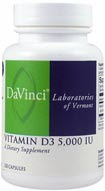
One of the very important benefits of vitamin D is that it turns on at least 2000 genes. This one fact alone makes it very clear that what happens inside your body at any given time is interconnected, not the lineal concept promulgated in mainstream medicine.
Several years ago I reported on the benefit of vitamin D for people with diabetes, especially Type 1. More benefits of this compound certainly show its worth for Type 2 as well.
What ever you wish to call it, vitamin D is fat soluble and use of it requires your being sure to have healthy saturated fats in your daily food plan.
Critical to health on many levels, especially immunity. Perhaps taking more vitamin C and D will help get you through the flu mania season with less stress, and better health, than unproven vaccines or drugs that are known not to be effective.
More and more people are not getting enough exposure to sunlight and this has a direct effect on your vitamin D level. People of color, the elderly, and people whose custom calls for body covering clothing all are at risk, along with those who live at more northern latitudes, or who do not eat oily fish.
As the darker months of the year are approaching in the Northern Hemisphere, perhaps its time for you to consider testing for your level of vitamin D, or adding it to your supplement plan.
 Contact us to find out more about vitamin D home testing for detecting vitamin D deficiency and monitoring of supplemented levels. This test measures total 25(OH)D, the best single measure of overall vitamin D status. Deficiency is often found in people with osteoporosis, heart disease, hypertension, autoimmune diseases, certain cancers, depression, chronic fatigue, or chronic pain.
More on Vitamin D
Make sure you have your high potency vitamin D to carry you through winter and help you defend your health from flu.
-----------------
Originally posted 8/14/09
Vitamin D is more of a steroidal compound than a vitamin that has an amazing range of health benefits.

One of the very important benefits of vitamin D is that it turns on at least 2000 genes. This one fact alone makes it very clear that what happens inside your body at any given time is interconnected, not the lineal concept promulgated in mainstream medicine.
Several years ago I reported on the benefit of vitamin D for people with diabetes, especially Type 1. More benefits of this compound certainly show its worth for Type 2 as well.
What ever you wish to call it, vitamin D is fat soluble and use of it requires your being sure to have healthy saturated fats in your daily food plan.
Critical to health on many levels, especially immunity. Perhaps taking more vitamin C and D will help get you through the flu mania season with less stress, and better health, than unproven vaccines or drugs that are known not to be effective.
More and more people are not getting enough exposure to sunlight and this has a direct effect on your vitamin D level. People of color, the elderly, and people whose custom calls for body covering clothing all are at risk, along with those who live at more northern latitudes, or who do not eat oily fish.
As the darker months of the year are approaching in the Northern Hemisphere, perhaps its time for you to consider testing for your level of vitamin D, or adding it to your supplement plan.
 Contact us to find out more about vitamin D home testing for detecting vitamin D deficiency and monitoring of supplemented levels. This test measures total 25(OH)D, the best single measure of overall vitamin D status. Deficiency is often found in people with osteoporosis, heart disease, hypertension, autoimmune diseases, certain cancers, depression, chronic fatigue, or chronic pain.
More on Vitamin D
 Posted in:


